
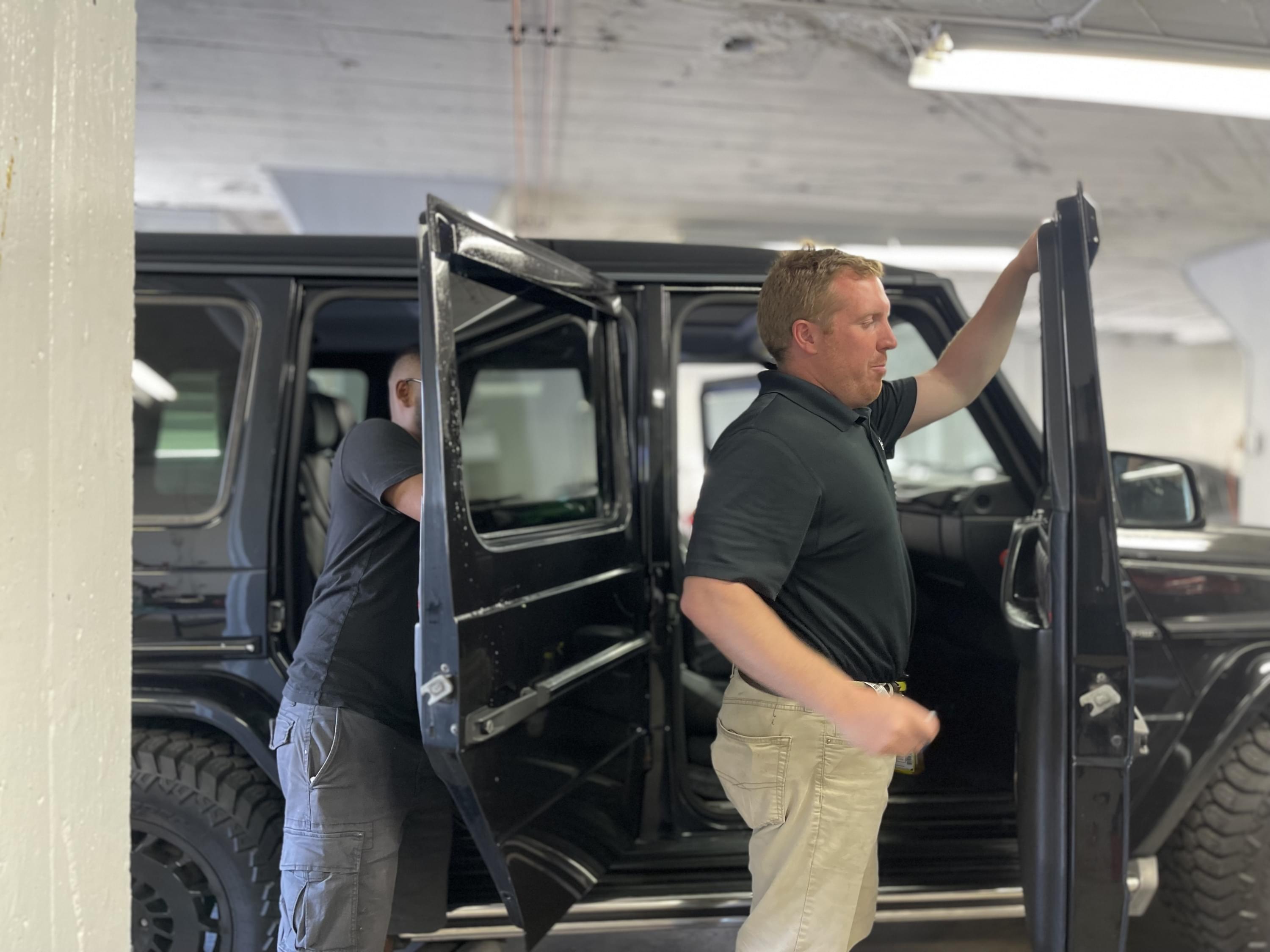
- Hot, sunny cities have strong year-round demand for window tint, especially heat-rejecting ceramic films.
- Tint Academy classes run for Dallas at Solar Spectrum in Keller, for Phoenix at The Bays in Mesa, and in Las Vegas at Detail City.
- Each class is 2 days of hands-on training on real vehicles. No experience needed. Call or text 321-364-9518.
In Texas, Arizona and Nevada, window tint is not a luxury for many drivers. Long, hot summers and strong sun make heat rejection and UV protection a priority. That creates steady demand for skilled installers. This guide looks at what makes these markets different and where you can train.
Why hot-climate cities are strong tint markets
- Long seasons. Sunny weather lasts much of the year, so demand is less seasonal than in colder regions.
- Comfort and protection. Drivers want cooler cabins and less sun on their skin and interiors.
- Interest in ceramic film. Customers often ask for heat-rejecting films and will pay for quality.
- Large vehicle markets. Big metro areas mean many cars, trucks and SUVs.
Installing tint in extreme heat
Heat changes how film and slip solution behave. Installers in hot climates learn to:
- Work in shade or indoors so the glass is not too hot and the solution does not dry too fast.
- Adjust slip solution so the film does not grab before it is positioned.
- Control heat shrinking, since the glass may already be warm.
- Keep the work area clean, because dust and wind are common in desert cities.
- Explain cure time to customers, including not rolling windows down until the film has set.
Each state also sets its own tint laws for how dark each window can be. Learn the current rules for Texas, Arizona or Nevada before you tint for customers, and explain them clearly. Our certification guide covers how training and local rules fit together.
Dallas–Fort Worth: Solar Spectrum, Keller
Our Dallas–Fort Worth classes are held at Solar Spectrum Window Tinting in Keller, Texas, a working tint shop in the northern DFW area. See the Dallas–Fort Worth course page for current dates.
Phoenix: The Bays, Mesa
Phoenix-area classes are held at The Bays in Mesa, Arizona, in the East Valley. The video below shows a Tint Academy class in Phoenix with Scorpion Films.
Las Vegas: Detail City
In Las Vegas, classes are held at Detail City Las Vegas. When you register, choose "Las Vegas" in the date selector on the course page.
What every class covers
All three locations follow the same 2-day curriculum, 9:00 AM to 5:00 PM each day:
- Glass prep, tools and professional film
- Roll-down, quarter and frameless windows
- Tint removal, sun strips and windshield banners
- Heat shrinking and rear windshields on sedans and hatchbacks
- Trucks and SUVs
- Plotter overview and residential film introduction
- Pricing, quoting and booking customers
You keep a professional window tint tool kit and a 100 ft roll of ceramic automotive window film, plus certification, the online course and lifetime mentor support.
Building a business in these markets
Demand alone does not bring in customers. Competition can be strong in large cities, so clean work, reviews and good communication matter. Many installers also offer flat glass tinting for homes and offices, where sun control is also in demand, or add paint protection film. For real wage data, see how much window tinters make.
Other USA locations
Tint Academy also runs classes in other US cities, including Orlando at Owner's Pride, Indiana at Scorpion Films HQ in Cloverdale, New York and Nashville. See the locations page for all current dates.
Who these classes suit
- Beginners who want to enter a trade with strong local demand.
- Detailers whose customers already ask about tint.
- Dealership staff who want to handle tint in-house.
- Shop owners adding tint alongside wraps, PPF or detailing.
No previous experience is required.
Ceramic film and customer conversations
In hot cities, customers often ask about heat rejection more than appearance. Being able to explain the difference between film types clearly helps you recommend the right product. Our store blog compares carbon and ceramic window tint if you want to understand how films differ. Always describe what a film does honestly, without overpromising results.
After class
When you get home, keep practising with the tool kit and ceramic film you take with you, review techniques in the online course and contact your mentor with any questions. Steady practice in the weeks after class is what turns the method you learned into fast, consistent installs.
Getting started after training
New tinters in large hot-climate cities often start by tinting vehicles for people they know, then build a portfolio and reviews. Partnering with detail shops, car washes or dealerships that do not offer tint can bring steady referrals. Because sunny weather lasts much of the year, a consistent marketing routine, such as posting finished installs every week and following up with past customers, helps keep your schedule full. Keep your quotes clear, explain film options honestly and make sure every vehicle leaves within your state's legal limits.
Train in Dallas, Phoenix or Las Vegas
Questions? Call or text USA: 321-364-9518.
Frequently asked questions
Where is the Dallas window tint course held?
Dallas–Fort Worth classes are held at Solar Spectrum Window Tinting in Keller, Texas.
Where is the Phoenix window tint course held?
Phoenix-area classes are held at The Bays in Mesa, Arizona.
Where is the Las Vegas window tint course held?
Las Vegas classes are held at Detail City Las Vegas. Choose Las Vegas in the date selector on the course page.
Is tinting harder in hot weather?
Heat makes slip solution dry faster and glass warmer, so installers adjust their solution, work in shade or indoors and control heat shrinking carefully.